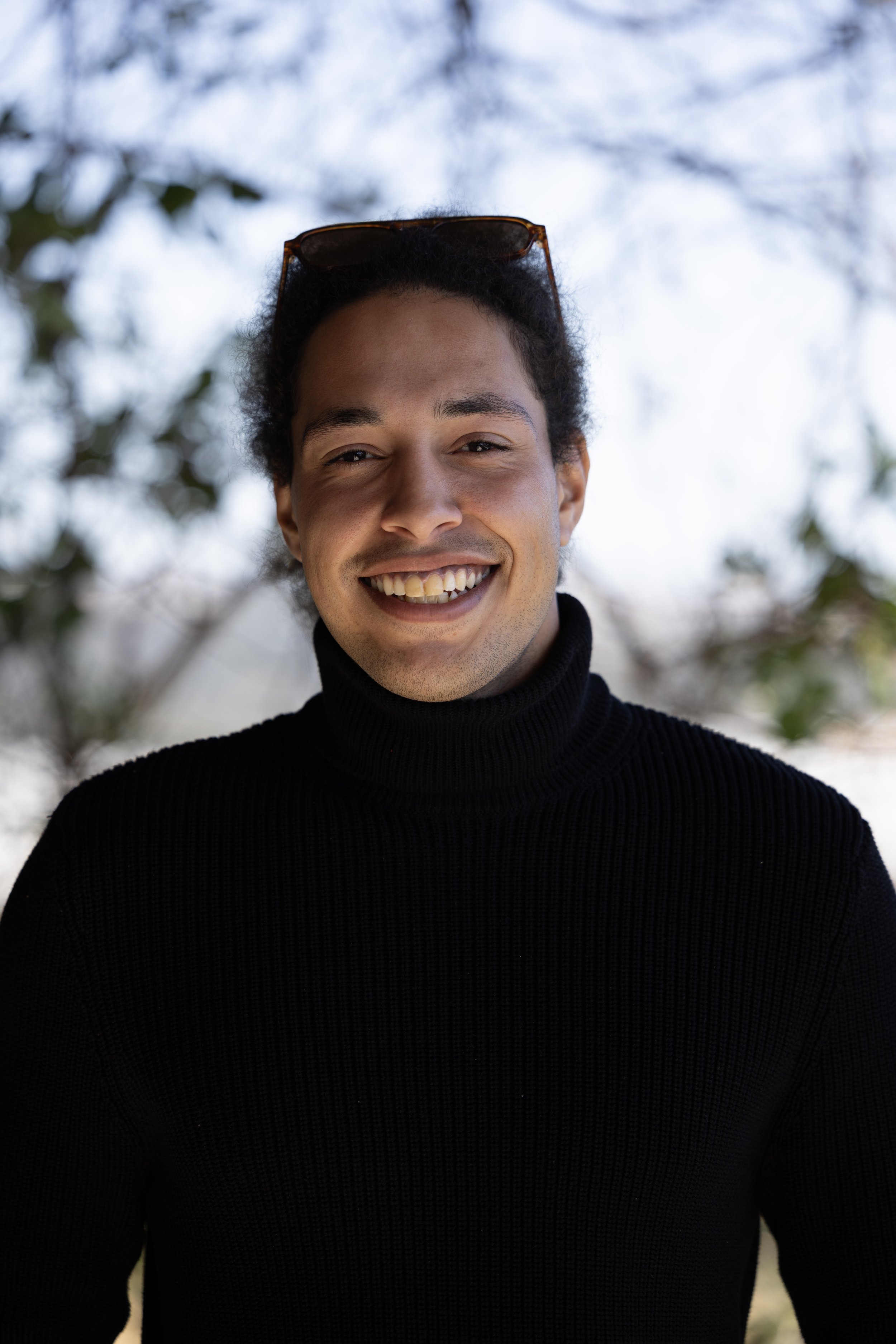
Turquoise Prince Strips “Used” Back to Its Core
Sydney RnB artist Turquoise Prince has released an acoustic version of “Used,” the standout track from his debut album Pretty in Pink, continuing a rollout that feels more focused on artistic expansion than simple repackaging.
The original version of “Used” operates through layered instrumentation. Guitar melody, strings, piano, and subtle flute elements sit over a slow RnB leaning drum pattern. It is detailed production, built to create emotional texture through accumulation. The acoustic version removes almost all of that structure entirely. What remains is piano and vocal, a stripped configuration that changes what the track asks from both the artist and the listener.
The Acoustic Version Removes The Safety Net
This is not a simple reduction. The piano melody mirrors parts of the original guitar work while introducing something the first version could not fully explore: emotional complexity through the instrumental itself. Softer, reflective passages slowly rise into heavier moments, with the dynamic range of the piano carrying much of the emotional tension.
Violin strings appear subtly during these peaks, adding depth without overcrowding the mix. The restraint matters. Nothing competes with Turquoise Prince’s voice.
That becomes the centrepiece of the record. Without dense production surrounding it, the vocal performance expands naturally. More falsetto. More vibrato. More technical control. The delivery itself shifts too. Without layers distracting from the performance, every emotional cue lands harder.
There is even a lyrical adjustment between versions, another small detail reinforcing that this is less a remix and more a reconsideration of the song itself.
The ARIA Imagery Reframes The Story
The accompanying visual, directed by Cultured Media AU, carries the same level of thought into its storytelling. On the surface, it plays like a comedic home invasion setup, balancing skit structure with performance sequences. Underneath that, the visual operates more like commentary on access and recognition within the Australian music industry.
Turquoise Prince knocking at the door while the house remains asleep feels symbolic of artists attempting to force entry into spaces that historically offered limited opportunities for Australian RnB acts. The “invasion” becomes less about disruption and more about reclamation.
That idea becomes clearest through the ARIA award imagery appearing throughout the visual. Australia’s highest music accolade functions as a stolen object within the narrative, representing recognition that often feels inaccessible to artists operating outside traditional industry structures.
The video also mirrors moments from the song’s lyrics directly, tying visual storytelling back into the emotional themes of the record itself. Too often visuals simply illustrate a track. Here, the music video expands it.
Turquoise Prince Continues Building His Own Lane
What separates this release is the seriousness behind the rework. Acoustic versions often arrive as bonus content or stripped back marketing pieces. “Used” avoids that completely. The release feels constructed as its own standalone experience, revealing different emotional dimensions within the same songwriting framework.
That approach places Turquoise Prince in a smaller category of Australian RnB and hip hop artists currently treating reinterpretation as part of the artistic process rather than an afterthought. The confidence to remove production density entirely says something about both the material and the performer behind it.
For a local scene often driven by maximal production and heavy vocal processing, the decision to go minimal carries weight. It suggests long term thinking around songwriting and identity rather than chasing short term impact.
The production across both versions was handled by Marcos Love (ev.o.l), with the transition between the original and acoustic versions maintaining sonic cohesion despite aiming for completely different emotional outcomes.