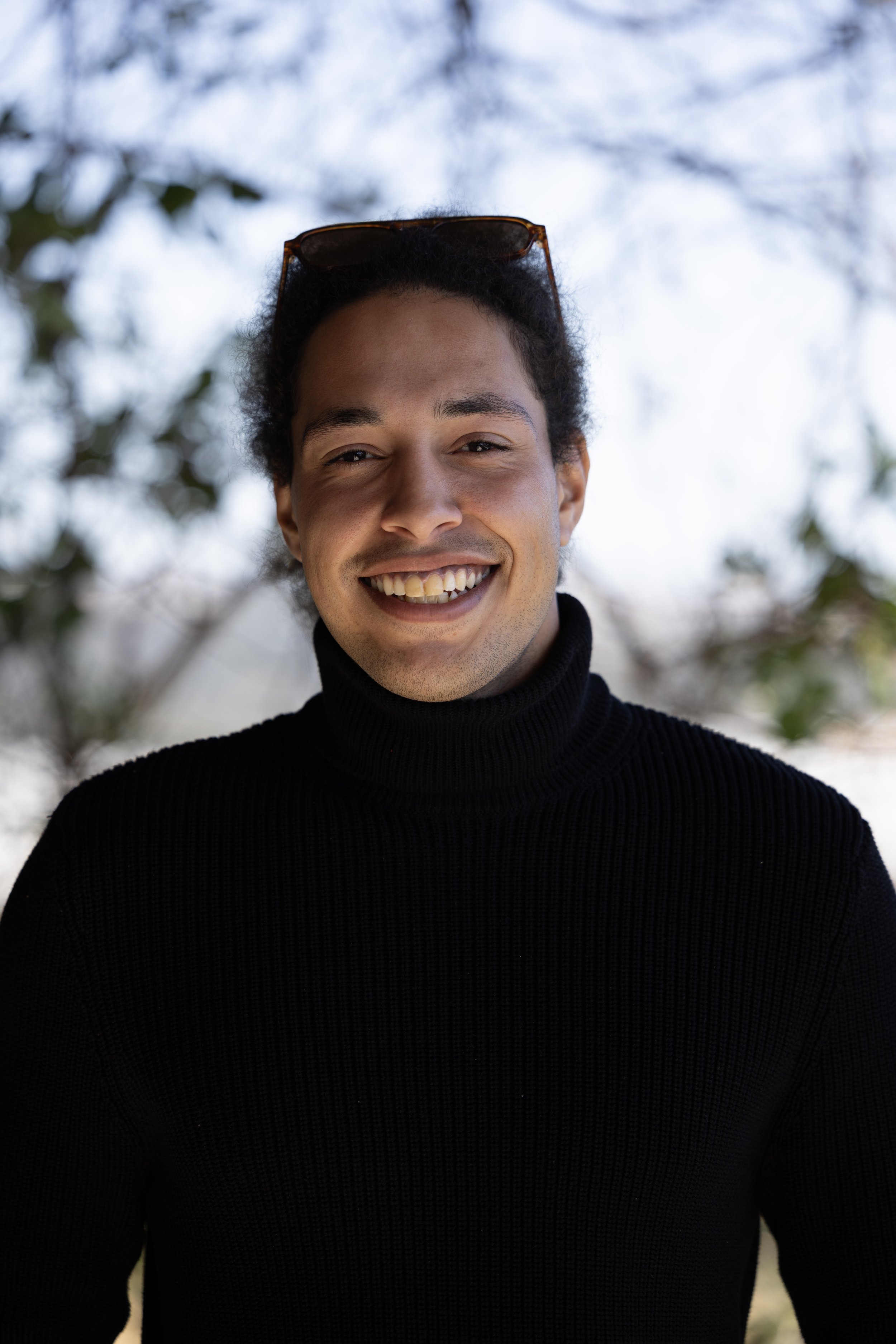
Fortay's Decade-Long Documentation of Australian Hip-Hop
Before the Platforms: How Fortay Built a Studio for the Underground
When mainstream media would not open the door, one Western Sydney MC built his own.
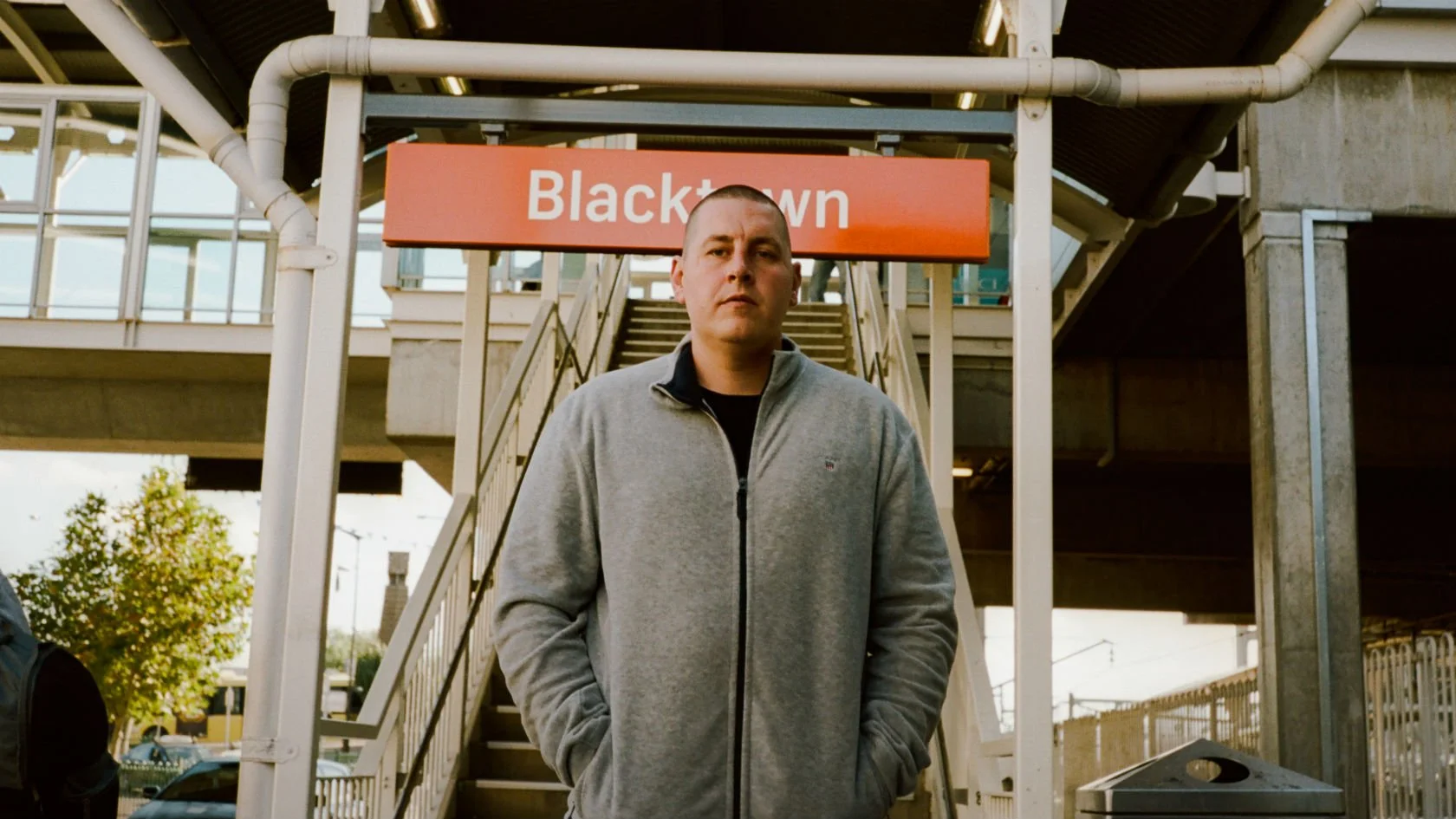
In 2013, while Australian hip-hop was cautiously climbing toward commercial acceptance, Fortay was already operating on a different frequency. The Blacktown MC, battle tested, fiercely independent, and protective of West Sydney's creative culture, launched The Fortnightly Report on his At Large Productions channel. It was not flashy. It was not backed by a network. It was a camera, a microphone, and a simple idea: if the industry would not make space for underground voices, he would create that space himself.
More than a decade later, the series stands as one of the longest running independent interview platforms in Australian hip-hop. With over fifty episodes archived and a recent relaunch featuring Ribby247, one of the country's most promising talents, The Fortnightly Report has become something rarer than viral content: a reliable institution. For artists navigating the margins, it has been a studio, a stage, and a signal that their stories matter.
This is the story of how Uncle Fort turned necessity into infrastructure.
The Problem That Started It All
By the early 2010s, Australian hip-hop had achieved a degree of mainstream visibility. Artists like Hilltop Hoods, Bliss n Eso, and 360 had secured radio play, festival slots, and ARIA recognition. But that visibility came with limits. The underground, particularly Western Sydney's grittier, more confrontational voices, remained largely ignored by traditional media. Radio programmers were not interested. Music journalism rarely ventured past the commercially palatable. And the artists doing the heaviest cultural work often found themselves shut out entirely.
Fortay saw the gap clearly. He had spent years in the trenches, performing in battle rap circuits, releasing independent projects, and collaborating with artists ranging from Snoop Dogg to That Kid Kearve. He understood that the scene's vitality existed well beyond what gatekeepers acknowledged. So rather than wait for permission, he built a platform that operated outside the approval structure entirely.
The Fortnightly Report was designed as a long form conversational space. Episodes routinely stretched past thirty minutes, sometimes much longer, giving guests the room to speak without radio edits or surface level soundbites. The format anticipated the podcast boom before the Australian podcast landscape had fully matured. The tone was unfiltered but thoughtful. And the guest list reflected the diversity of the underground: emerging artists, established independents, cultural commentators, and figures whose work rarely received proper documentation.
It was DIY media infrastructure built with intention, not just enthusiasm.
A Studio for the Scene
What distinguished The Fortnightly Report from other independent interview projects was its consistency and curatorial instinct. Fortay did not chase clout or viral moments. He focused on substantive conversation, exploring personal origin stories, creative processes, industry navigation, and the realities of sustaining an independent career in a scene that rarely rewarded loyalty with stability.
The guest list across fifty plus episodes reads like a roll call of Australian hip-hop's underground backbone. That Kid Kearve discussed his early days, his connection to Kerser, and the evolving landscape of Aussie rap. Spanian brought his West Sydney perspective to one of the show's most viewed early episodes. Rops appeared in Episode 40, generating strong fan engagement. Bodybag Media sat down for Episode 48, tackling thorny topics like police surveillance of rap culture and the infamous Meriton banned lists, subjects that rarely received serious media coverage elsewhere.
These were not promotional pit stops. They were archival moments. Artists spoke candidly about struggle, ambition, and the machinery of the industry. The interviews captured a version of Australian hip-hop that commercial narratives often smoothed over: the hustle, the setbacks, and the community bonds that sustained careers when nothing else would.
For many guests, The Fortnightly Report represented one of the few places where their stories were treated seriously and given the time they deserved. Fortay's approach was conversational but never frivolous. He asked the questions that mattered, let answers unfold naturally, and created an environment where artists could speak without performance pressure.
It became a trusted space. And in a scene where trust is earned slowly and lost quickly, that mattered.
The Uncle Fort Effect
Fortay's role in the Australian hip-hop scene extends beyond his own discography. He is an OG in the truest sense, not just because of tenure, but because of the work he has put in behind the scenes. The younger generation of artists recognise this. They call him Uncle Fort. It is affectionate, but also respectful. It acknowledges his role as an elder, a connector, and someone who built infrastructure when there was none.
That respect is earned through action, not nostalgia. Fortay did not retreat when the industry shifted. He did not gatekeep or demand deference. Instead, he kept building. He kept documenting. He kept opening doors for artists who needed a platform but could not access traditional channels.
The recent relaunch of The Fortnightly Report speaks to that continuity. Episode 52 features Ribby247, one of the hottest names in Australian hip-hop right now, an artist whose momentum reflects the scene's current energy. The fact that Fortay is still creating space for emerging talent, more than a decade after starting the series, underscores the show's ongoing relevance. It is not a relic. It functions as it always has: a studio for voices that deserve to be heard.
Why This Still Matters
In 2026, the media landscape looks vastly different than in 2013. Podcasts are ubiquitous. Social media has democratized content creation. Artists have more tools than ever to control their narratives. But The Fortnightly Report remains significant because it predates that shift and helped create the conditions for it.
Fortay built a model when there was none. He demonstrated that independent media could be sustained through consistency, curation, and respect for the audience. He showed that underground artists did not need mainstream validation to have their stories documented properly. And he created an archive that now serves as a historical record of a scene that was rarely given the space to define itself on its own terms.
The series also highlights a broader tension in Australian hip-hop: the gap between commercial visibility and cultural authenticity. The artists who appear on The Fortnightly Report are not always the ones dominating streaming charts or festival lineups. But they often shape the culture at street level, influence younger artists, and hold the scene accountable to its roots.
Fortay understood that this work mattered even when it was not profitable. He created infrastructure because the scene needed it, not because it would generate immediate returns. That ethos, building for the long term and prioritizing substance over spectacle, gives The Fortnightly Report its enduring value.
The Archive Continues
With over fifty episodes now available and the series back in active production, The Fortnightly Report stands as one of the most important long form documentation projects in Australian hip-hop history. It is not the slickest production. It does not have corporate backing. But it has something more valuable: credibility, consistency, and a clear sense of purpose.
Fortay's work reminds us that cultural infrastructure does not always come from institutions. Sometimes it comes from one person with a camera, a microphone, and the determination to make sure the stories get told. He built a studio for the underground when no one else would. And more than a decade later, that studio is still open.
Uncle Fort did not wait for the platforms. He became one.