Rops1 Just Set a New Benchmark for Australian Rap
Rops1’s TRAPSTA Tour Just Redrew the Map for Independent Hip-Hop in Australia
Eleven cities. Eleven sellouts. Over 3,100 tickets. A gold plaque handed over in Sydney. The TRAPSTA tour was not just a milestone for Rops1. It was a statement about where Australian hip-hop infrastructure actually stands right now.
There is a version of this story that gets told as a hype recap. The numbers get listed, the crowd shots get posted, and the conversation moves on before anyone stops to consider what any of it actually means. This is not that version. Because what Rops1 achieved with the TRAPSTA tour deserves more than a congratulatory paragraph. It deserves to be examined as a cultural data point that tells us something significant about the current state of independent Australian hip-hop and the systems quietly supporting it.
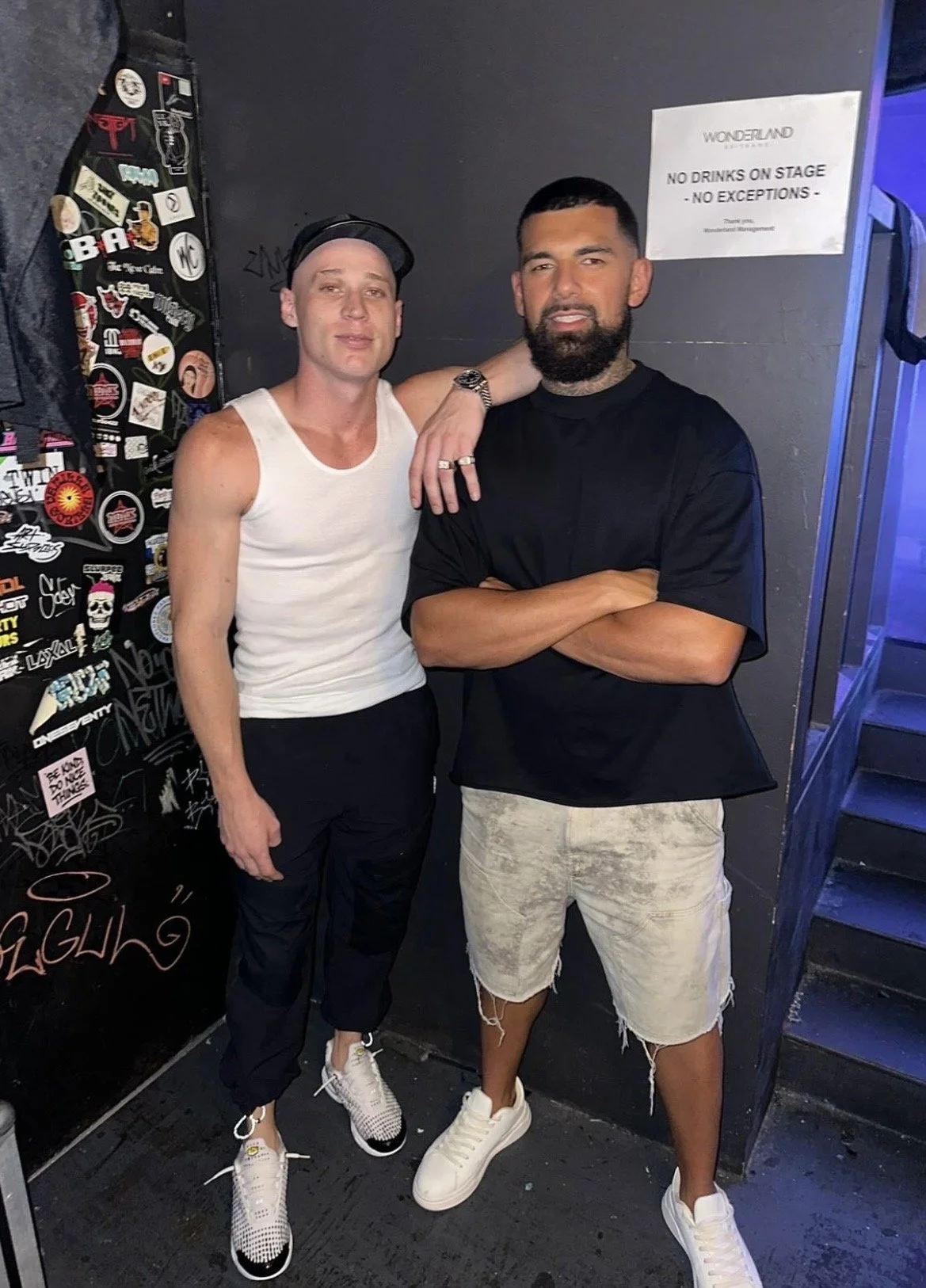
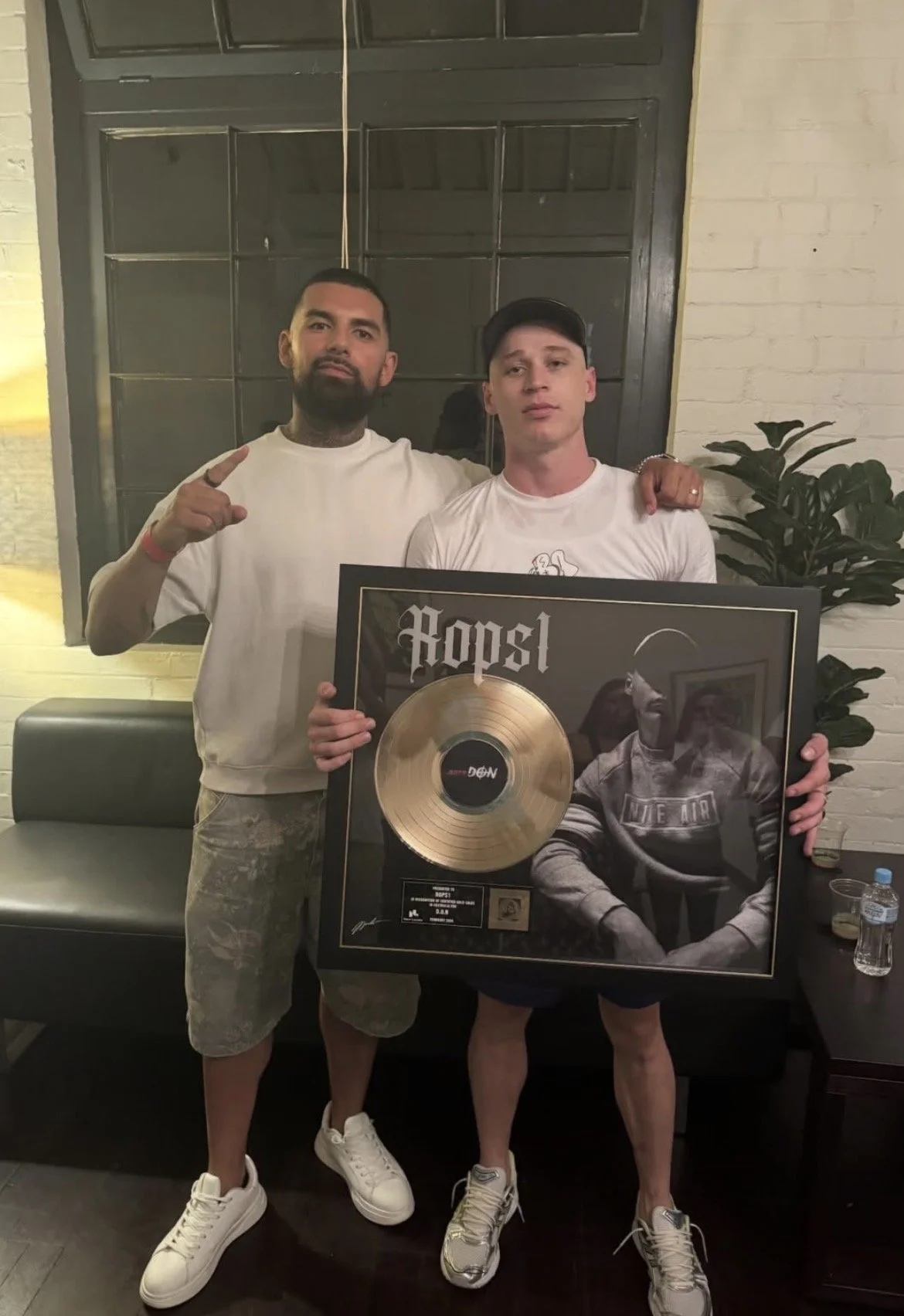
Rops1 completed his first national headline tour. He sold out eleven of twelve cities. He moved more than 3,100 tickets without the backing of a major label, without a viral crossover moment engineered for an international algorithm, and without compromising the sound that built his following. At the Sydney show, his manager Lazy J presented him with his first gold plaque. It was a moment that felt earned. Not staged for optics, but built through years of deliberate work.
How You Build This Kind of National Run
To understand why the TRAPSTA tour registers as more than a personal achievement, you have to understand the path behind it. Rops1 did not emerge from a major co-sign or a playlist placement that changed his trajectory overnight. His foundation was built through independent releases and YouTube collaborations, the kind of slow audience development that requires patience and a genuine connection to the community you are trying to reach.
That model defined how the previous generation of Australian independent rap artists built lasting careers. It is increasingly rare in an era that rewards short-form virality over sustained output.
When that model works, it produces something a streaming spike cannot. A fanbase that shows up. Not just to stream a song passively, but to buy a ticket, travel to a venue, and stand in a room together. The TRAPSTA tour numbers reflect that relationship directly. You do not sell out eleven cities on a first headline run because of one strong month on the charts. You do it because a large enough group of people have decided, over time, that you are worth the commitment.
The Kerser Comparison Is Worth Making
When you look at the structure of this tour, the national scope, the independent foundation, the audience loyalty, and the ticket numbers, a comparison naturally surfaces: Kerser’s early touring era. The “No Rest For The Sickest” and “Tradition” period represented a similar inflection point. An artist proving that Australian street rap could consistently fill rooms without institutional support, and in doing so, shifting expectations for what the scene could sustain.
That era mattered not just because of what Kerser achieved individually, but because of what it demonstrated about audience demand. It showed promoters, venues, and other artists that there was a paying audience for this music that had not been fully mapped or supported.
The TRAPSTA tour performs a similar function in 2025. The exact numbers may differ, the cities may vary, but the underlying argument remains the same. The demand is there. The audience is real. And when the conditions are right, it converts into rooms full of people who came specifically for the artist on stage.
What the Numbers Actually Tell Us
More than 3,100 tickets sold across a national headline tour does not exist in isolation. It carries implications.
It suggests that independent Australian hip-hop, at a certain level of development, can now support a genuine touring economy. One where an artist operating independently can headline nationally and sustain a strong sellout rate.
This matters for everyone working within the scene. For independent artists, it recalibrates what a realistic ceiling looks like. For promoters and booking agents, it reinforces that this audience will respond when the proposition is right. For venues, it confirms that demand for Australian street rap has moved beyond small rooms. And for the broader conversation around whether Australian hip-hop can sustain itself without leaning on international validation, it provides a clear answer.
One city not selling out on a twelve-stop run is worth acknowledging without overstating. It does not undermine the achievement. It reflects the reality that audience development is uneven across a country this size. Even a successful national tour will reveal where growth is still needed. That is useful information, not failure.
Lazy J and the Infrastructre Conversation
The gold plaque presentation in Sydney was a small moment that pointed to something larger. Lazy J has been building behind the scenes for years. An artist receiving his first gold plaque at his own sold-out headline show is not coincidence. It reflects strategic management, considered release decisions, and a long-term approach to artist development that avoids burnout and short-term thinking.
Conversations about infrastructure in Australian hip-hop often focus on what is missing. Limited major label investment in street rap. Minimal mainstream radio support. Inconsistent coverage in general entertainment media.
The TRAPSTA tour demonstrates that another kind of infrastructure has been developing in parallel. One built by managers, independent operators, booking agents, and artists who chose to build their own systems rather than wait for validation. That system is now producing outcomes that command attention on their own terms.
A New Benchmark for Australian Independent Hip-Hop
The word benchmark gets used loosely. Here, it applies with precision.
What Rops1 has achieved with the TRAPSTA tour establishes a new reference point for what a successful national run looks like at the independent level of Australian hip-hop. Not because the numbers are unprecedented in Australian music more broadly, but because of what they represent within the context of how this scene has been built.
Future artists planning national tours will look at this run. Managers will reference it in conversations with venues. Promoters will factor it into expectations. That is what a benchmark does. It does not just record an achievement. It changes the frame through which future achievements are measured.
The more interesting question is not whether Rops1 can follow this up. That is his challenge. The more significant question is what the TRAPSTA tour unlocks for the artists coming behind him.
The ceiling has moved. The audience exists. The touring infrastructure exists. The TRAPSTA tour made both impossible to ignore.