indigomerkaba’s Trilogy Documents an Artistic Metamorphosis
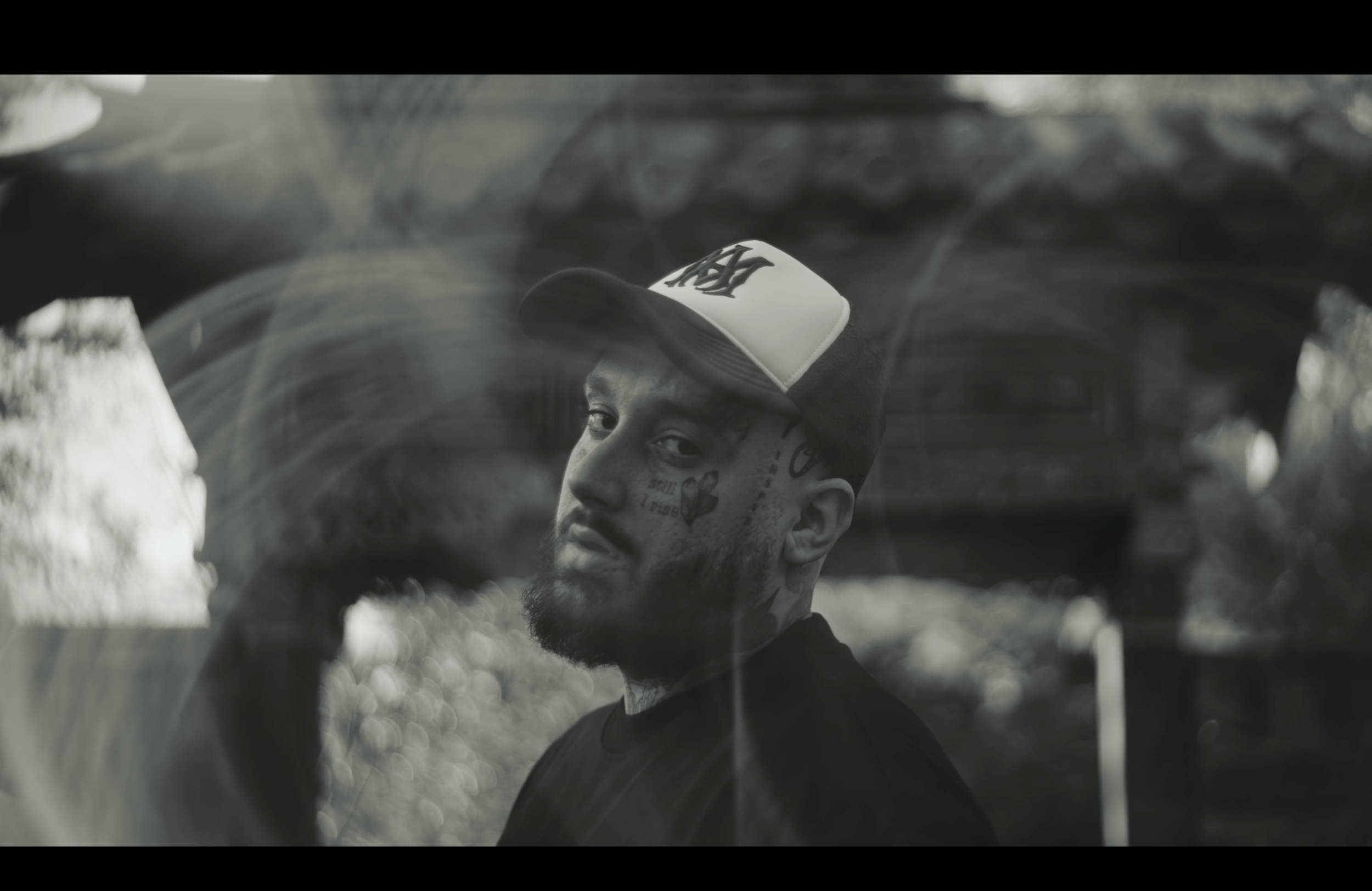
There is a particular kind of courage it takes to dismantle yourself in public.
Not metaphorically. Not through carefully packaged vulnerability that resolves neatly by the end of a release cycle. Actually, physically, visually, in real time, across a body of work that leaves no room to retreat back into who you were before.
Over three releases, indigomerkaba documented exactly that.
The Very Hungry Caterpillar arrived as an awakening. The Metamorphosis carried the weight of becoming. The uncomfortable middle. The collapse that has to happen before anything new can fully emerge. Then came The Butterfly. Not closure. Not finality. Something quieter than that. Arrival.
Taken together, the trilogy feels larger than a release strategy or conceptual rollout. It plays more like documentation. A real time archive of an artist reshaping himself while the audience watches it happen alongside him.
And by the end of it, the music almost feels secondary to the transformation underneath it.
The Architecture Behind the Trilogy
What separates the trilogy immediately is its clarity of structure.
Three releases. Three distinct emotional states. Each chapter dependent on the others to fully land. Nothing stretched unnecessarily for streaming cycles. Nothing padded out to maintain visibility. Every release serves a defined role inside the larger narrative.
The Very Hungry Caterpillar introduced the framework. Growth. Movement. The idea that identity is not fixed. It established the emotional language the trilogy would continue speaking through without fully revealing where things were heading yet.
Then The Metamorphosis stepped into the hardest part of transformation. The unfinished middle artists usually avoid showing publicly. The space where old identities begin dissolving before new ones have fully formed.
That became the emotional centre of the entire trilogy.
Not triumph. Process.
Then The Butterfly arrived carrying the aftermath of everything before it. Warmer in tone. More open emotionally. Still reflective, still detailed, but no longer trapped inside the same internal conflict that shaped the earlier chapters.
The shift works because every element moves toward the same point simultaneously. The writing. The production. The visuals. The rollout structure itself. Nothing feels detached from the central idea being explored.
A lot of artists can build strong concepts musically while the surrounding presentation drifts into aesthetics without meaning. Here, everything remains connected to the transformation at the centre of the trilogy.
That consistency is what gives the project its weight.
The Moment Everything Changed
The trilogy becomes impossible to separate from its visuals once The Metamorphosis arrives.
There is one moment that quietly reshapes the meaning of everything around it.
indigomerkaba stands in front of the mirror and cuts off his dreads.
No dramatic framing. No overproduction. No attempt to force symbolism onto the audience. The scene is presented plainly enough that the meaning settles in naturally.
The dreads had become part of his public identity. A recognisable anchor people attached to immediately. In hip hop, image matters because familiarity matters. Once an audience connects an artist to a visual identity, most artists spend years protecting it.
Refining it. Maintaining it. Staying recognisable within it.
To remove that publicly, and to build an entire release around the aftermath of that decision, changes the relationship between the artist and the audience immediately. It removes the safety of familiarity. People are forced to reprocess the artist without the image they had attached themselves to beforehand.
That is what gives the moment its power.
Not shock value. Commitment.
The visual direction across the trilogy supports that same feeling. Close cameras. Personal framing. Soft colour palettes. The videos rarely create distance between the artist and the audience. They place you inside the process instead of presenting it from the outside.
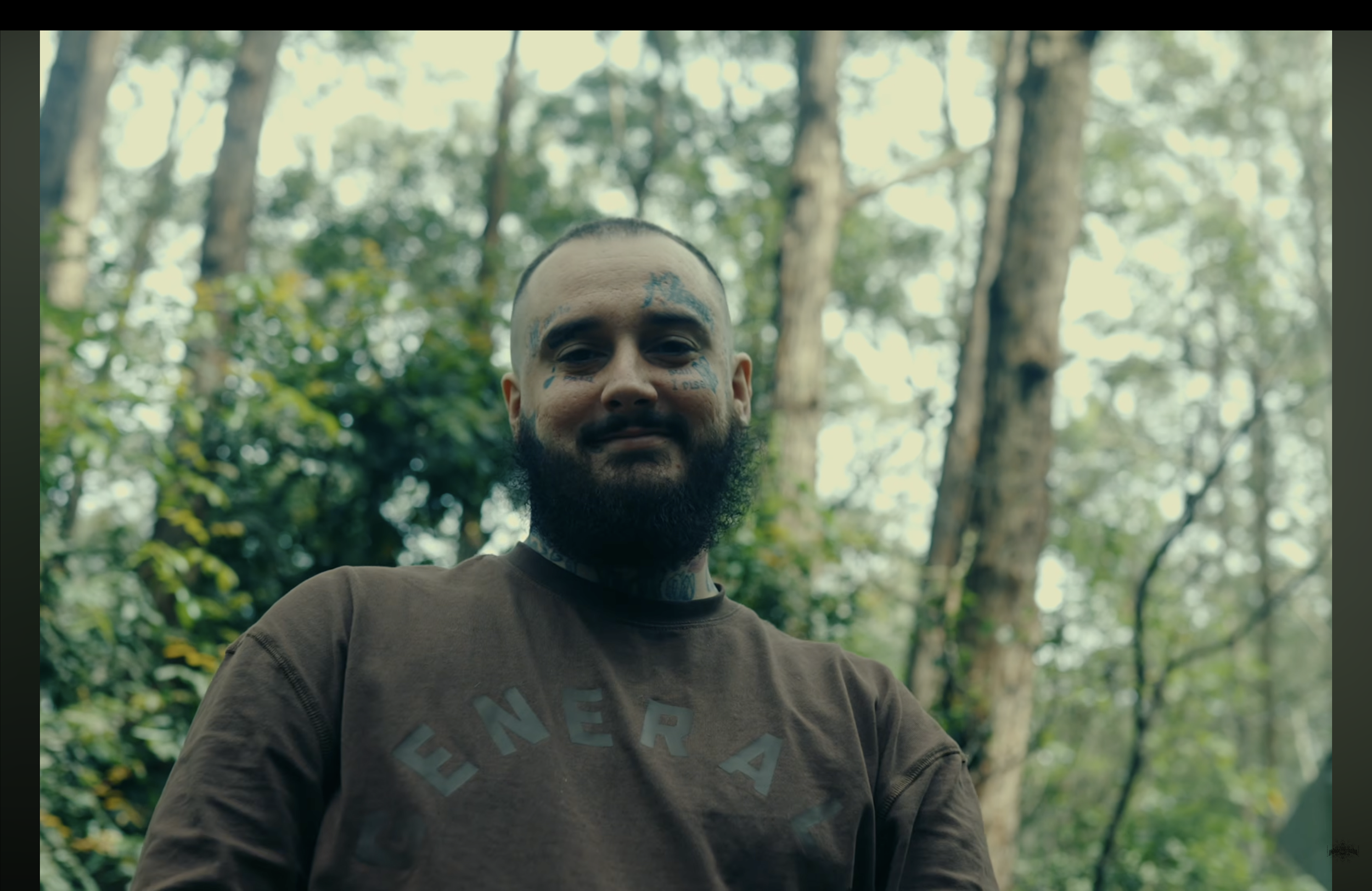
By the time The Butterfly arrives, the visuals no longer need to explain anything directly. The audience already understands the emotional context behind them. The videos can simply exist inside the aftermath of what has already happened.
That restraint ends up carrying more weight than spectacle would have.
The Sound of Evolution
The production across the trilogy functions almost like emotional architecture.
Not decoration sitting on top of the writing. The emotional state itself.
The Metamorphosis sat inside shadow and tension. Liam Thomas’ production kept everything inward facing. Lo fi textures. Sparse drum arrangements. Hi hats that pulled the listener deeper into the tracks rather than pushing outward. The sound design mirrored uncertainty without needing to announce it directly.
There is space throughout the project that feels unresolved on purpose.
Then The Butterfly shifts almost immediately.
Rahj Jordan’s production introduces warmth through reversed samples, vinyl textures, softer chord progressions, and drums that lean toward boom bap traditions without feeling nostalgic for the sake of it. You can hear traces of producers like J Dilla and Nujabes in the way restraint becomes emotional weight rather than absence.
Small details carry the atmosphere. A female vocal tucked quietly underneath the mix. Violin passages widening the tracks without overcrowding them. Drums that feel patient instead of urgent.
The production changes because the emotional state changes.
Where The Metamorphosis communicated pressure, uncertainty, and dissolution, The Butterfly communicates acceptance. Reflection. The feeling of finally standing still long enough to understand what the process actually changed.
The strongest part of the production across both releases is its discipline. Nothing distracts from the emotional core of the trilogy. Every sonic choice supports the state of mind being documented at that specific stage of the transformation.
Vulnerability Without Performance
What ultimately holds the trilogy together is the writing.
Not because it constantly reaches for technical complexity. Because it refuses to hide behind it.
The Metamorphosis moved through addiction, loss, identity, pressure, rebuilding. But the writing never framed those themes like topics being explored from a safe distance. The bars often read closer to personal documentation than constructed storytelling.
Certain lines land heavier after the surrounding context settles in. Others feel almost unfinished emotionally, which ends up making them hit harder. There is very little sense of cleanup or filtering before the thoughts reach the audience.
That honesty becomes the foundation of the trilogy rather than a temporary emotional moment inside it.
A lot of artists will briefly step into vulnerability before returning to distance once the song ends. Here, the vulnerability becomes structural. It shapes the entire tone of the work.
By The Butterfly, the writing carries a different kind of clarity. Still reflective. Still transparent. But calmer now. Less consumed by conflict.
The songs move almost like journal entries at points. Personal reflections presented plainly enough that the emotional weight arrives naturally without needing heavy symbolism around it.
That is why the caterpillar to butterfly imagery works.
Not because the metaphor itself is complicated. Because the audience has already watched the process unfold in real time.
Beyond Concept Rap
Australian hip hop has always had artists capable of refining what already works.
Fewer artists are willing to genuinely change.
Refinement is safer. The audience already understands the identity being presented. You sharpen it. Improve it. Deepen it without disrupting the relationship people already have with the artist.
indigomerkaba already carried respect before this trilogy. The lyrical ability was established. The technical precision was already recognised. Other artists studied the writing closely long before this run of releases began.
What changed across the trilogy was accessibility.
Not compromise. Openness.
The distance between the artist and the audience shortened noticeably by the time The Butterfly arrived. The writing still carries detail and technical control, but the emotion now sits closer to the surface instead of hiding beneath complexity.
That progression is what makes the trilogy feel significant beyond the music itself.
Each release reshapes the meaning of the one before it.
The Metamorphosis alone feels heavy and unresolved. Inside the trilogy, it becomes necessary. The Butterfly alone might read as personal reflection. After the earlier chapters, it reads like emergence.
The trilogy documents transformation as a process rather than a single breakthrough moment.
That distinction matters.
What the Trilogy Signals
Australian hip hop has never lacked creativity.
Execution is usually where ambitious concepts begin falling apart. The ideas arrive before the discipline required to carry them fully through.
This trilogy avoids that problem because every component remains connected to the same emotional centre from beginning to end. The writing, the production, the visual direction, the rollout structure, the imagery, the pacing of each release. Everything continues feeding the same narrative without drifting into decoration.
That level of alignment is rare.
Not because artists lack ambition, but because complete commitment to an idea requires risk. The concept has to exist before the rollout begins. The transformation has to be real before the audience arrives.
Most artists speak about growth. Few are willing to publicly dismantle the image people already associate them with in order to document it honestly.
That is where this trilogy becomes more than a strong run of releases.
It becomes a reference point.
What Comes After The Butterfly
The Butterfly does not feel like an ending.
It feels like the point where one version of the artist fully disappears and another begins moving forward without needing to explain itself anymore.
The production carries warmth. The writing carries clarity. The visuals feel present rather than performative. Everything about the final chapter suggests an artist who has already moved through the conflict shaping the earlier releases and no longer feels trapped inside it.
That is what gives the trilogy its staying power.
It never promises resolution too early.
The Metamorphosis understands that transformation requires discomfort. The Butterfly understands that emergence does not mean returning to who you were before everything changed.
The full weight of these releases will probably become clearer with time. There is enough structure underneath the trilogy that its meaning continues expanding once the rollout itself disappears.
But even now, the trilogy already stands as proof that artistic transformation can be documented fully without losing focus, clarity, or emotional honesty along the way.
The cocoon served its purpose.
What emerges next will carry the weight of everything that happened inside it.