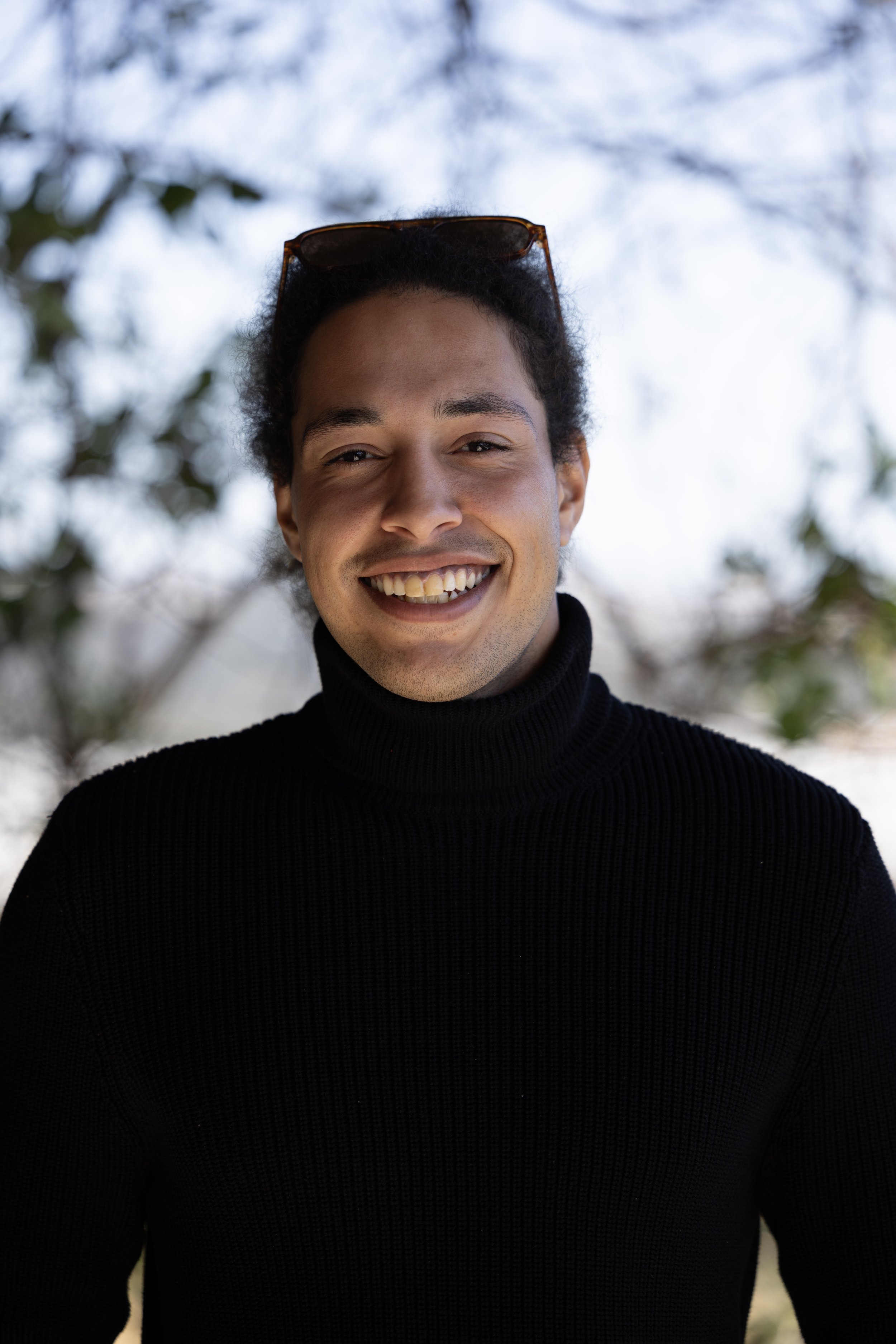
How DKAY’s “Say Sum” Bridges Two Languages And Two Audiences
Melbourne Korean-Australian rapper DKAY makes his Oceania's Finest debut with a dark, high energy club record that achieves something most artists only attempt.
DKAY doesn't ease you in. "Say Sum," the latest single from the Melbourne based Korean-Australian rapper, opens with force. Built around KJ's production, the track combines stabbing piano lines, vocal samples, synth melodies, and hard hitting drums that keep the energy moving from the opening seconds.
It's dense without feeling crowded, carrying the kind of replay value that comes from a record designed to work equally well in a club setting and through headphones. Every element has a purpose, but nothing feels overstated.
It's DKAY's first appearance on this platform, and if "Say Sum" is the introduction, it's a strong one.
A Hook Built For Replay
The hook arrives early and doesn't leave. Built around the track's title, it's rhythmic and immediately memorable, the kind of refrain that settles in before you've fully realised it's happening.
From there, DKAY moves into his first verse with a compressed urgency that pushes the energy forward rather than relying on the hook to do all the work.
The engineering deserves attention. The first half of the verse carries a stop start tension before shifting into a smoother cadence. That structural change rolls naturally into a bridge that functions as both a breather and a setup. It slows things down just enough for the listener to reset before DKAY returns with the same force that opened the track.
It's a carefully constructed record that never draws unnecessary attention to its own mechanics.
Where The Bilingual Delivery Separates Itself
Where "Say Sum" genuinely separates itself is through DKAY's bilingual delivery.
Korean and English move through the track not as novelty or contrast, but as a single, coherent mode of expression. The transitions are seamless. Two languages that carry very different rhythmic and phonetic qualities are folded into the record without friction.
It doesn't feel like a feature of the song.
It feels like how he speaks.
That distinction is important because multilingual rap often falls into the trap of making the language switch the main attraction. Here, it simply becomes part of the performance.
Multilingual rap isn't new. From Bad Bunny's rise into the mainstream to the growing international reach of Korean hip-hop, code switching has proven both commercially and culturally effective.
What remains rare is hearing it executed at a level where the language shift adds to the record rather than interrupting it.
Most artists who attempt it leave the seams visible.
DKAY doesn't.
That distinction matters beyond the technical side of songwriting. Cross cultural and multilingual music expands audiences naturally. A track like "Say Sum" doesn't just connect with Australian listeners already engaged with local hip-hop. It also creates a genuine entry point for Korean speaking audiences who may have no existing relationship with Australian rap.
That kind of reach is difficult to manufacture.
More importantly, it doesn't feel manufactured here.
It feels like the natural result of an artist creating from identity rather than trying to engineer an audience.
Why This Matters For Australian Hip-Hop
Australian hip-hop has spent years building credibility internationally, with local artists increasingly finding audiences in markets that once paid little attention to the scene.
What has developed more slowly is the way Australian rap reflects the multicultural reality of the country itself.
DKAY belongs to a generation of artists for whom that isn't a branding exercise or positioning strategy.
The Korean lyrics on "Say Sum" aren't there to signal diversity.
They're there because that's who he is.
For a scene operating within one of the most culturally diverse cities in the world, that feels both overdue and quietly significant.
Melbourne's Korean-Australian community is large enough to represent a genuine audience rather than a niche demographic. A record that can speak to that community while also connecting with the broader Australian hip-hop audience isn't just culturally interesting.
It's smart music making.
Whether that was the calculation or not.
What To Watch Next
"Say Sum" marks DKAY's debut on this platform, but it doesn't feel like the introduction of a newcomer.
There's already momentum behind what he's building.
The work rate is evident.
The direction is clear.
Whether the Australian scene fully catches up to what DKAY is doing before he moves beyond it may end up being the more interesting question.